
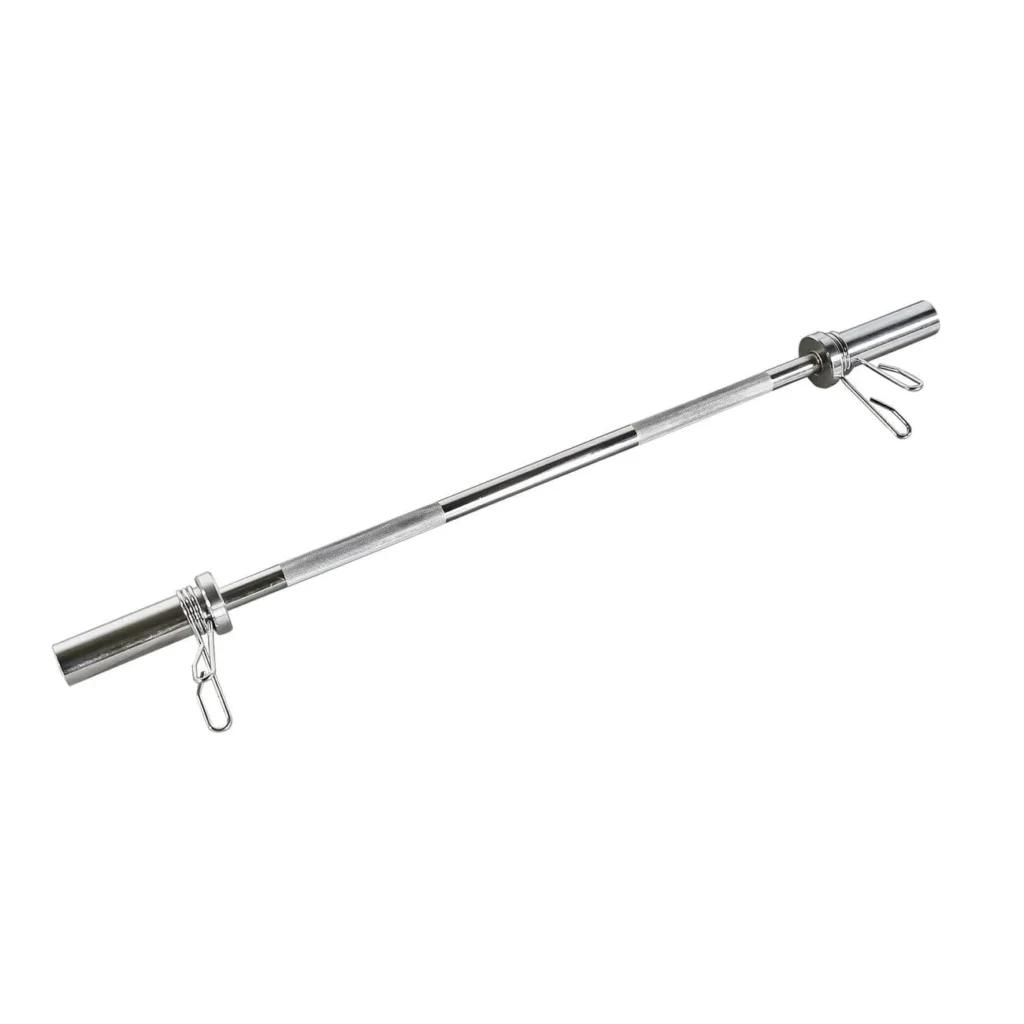
Gym equipment rust in a humid room should prompt a review of moisture, cleaning methods, storage and the condition of the affected component. A small surface mark and corrosion affecting a structural or moving part are not the same problem. Do not hide either under paint before establishing what is happening.
In a coastal city such as Port Harcourt, the equipment's immediate environment matters. An enclosed dry room, a partly open terrace and a room with recurring leaks create different ownership conditions.
Look for the cause as well as the mark
Record where corrosion appears and whether there is moisture, damaged coating or persistent cleaning residue nearby. Check whether equipment is being stored against a damp wall or exposed to weather through an opening.
Life Fitness's barbell-care guidance identifies humid and coastal conditions and inappropriate cleaning practice as relevant to surface rust. Its frame-rust guidance also cautions about corrosive cleaners and residues. These are useful reasons to review the routine, not permission to apply one treatment to every finish.
Use a coating-aware cleaning method
Obtain the care instructions for the exact equipment. A brush suitable for one metal finish can damage another. A cleaner appropriate for upholstery may be unsuitable for a coated frame, electrical component or moving mechanism.
Apply products and remove residues as instructed. Avoid spraying indiscriminately into joints, bearings or electronics. Do not assume a stronger chemical is a better answer to a mark you have not identified.
The existing shared-gym cleaning guide helps organise the routine. Make sure the staff responsible have the correct instructions and products rather than simply being told to make the equipment shiny.
Separate owner care from a repair assessment
Surface care that the manufacturer explicitly permits may be appropriate for the owner. Damage involving load-bearing parts, cables, fasteners, welds or other safety-related components needs competent assessment. Remove affected equipment from use where its condition could make continued operation unsafe.
Photograph the area and keep the model details available. A technician will be better placed to advise if they can see the location and understand the environment. Do not grind, weld, repaint or replace a structural part based on a general internet tutorial.
Change the routine that allowed the problem
| Observation | Useful follow-up |
|---|---|
| Equipment repeatedly wet after cleaning | Review approved cleaning and drying procedure |
| Marks concentrated near a leak or opening | Address the environmental exposure |
| Damaged coating | Obtain manufacturer or service guidance |
| Corrosion on a functional or structural part | Withdraw if unsafe and arrange assessment |
Storage covers may be useful where approved, but covering damp equipment can leave the underlying problem unresolved. Drying and ventilation arrangements should suit the product and room. Do not present a cover as a substitute for fixing a leak.
Keep the repair decision factual
Record the diagnosis, proposed work and any restrictions before returning equipment to service. The repair-or-replace guide provides a way to compare the options without assuming that every rusty machine needs replacement.
When selecting a new barbell, ask about its finish and care requirements. The barbell-detail article explains how that choice fits with grip and sleeve design. A durable purchase still needs a routine that respects its materials and the room where it will live.
Leave a Reply