
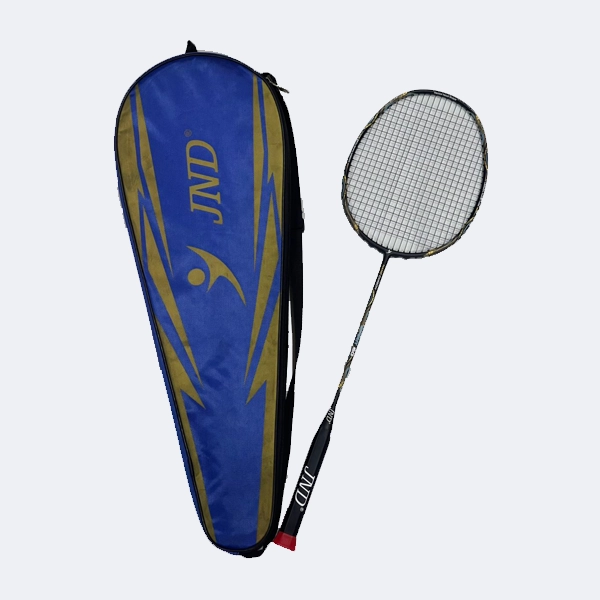
A beginner badminton purchase should cover a suitable racket, compatible stringing, a shuttlecock appropriate for the intended setting and enough clear playing space. A famous racket name does not make an incomplete set useful. Start with where and how you will play.
For casual family games, easy handling and a complete kit may matter most. A player joining coached sessions should also follow the coach's requirements for the group and venue.
Try the handle and overall feel
Check grip size and how the racket feels during controlled handling. Published weight is useful, but balance and the finished grip arrangement also influence the experience. Do not assume the lightest model is automatically the most suitable.
Yonex's beginner collection includes several different models and supplied configurations. It demonstrates that “beginner” is a range of options, not one universal specification.
For a child or a group with varied users, seek appropriate coaching advice on size and handling. Avoid selecting solely from a professional player's equipment choice.
Check whether it arrives ready to play
Confirm whether the racket is supplied strung and whether any advertised weight refers to the strung or unstrung product. If stringing is required, use a competent service and stay within the frame manufacturer's stated limits.
Higher string tension is not automatically an upgrade for a new player. Discuss the intended use with the coach or stringer rather than copying a competitive player's setup. Keep the model details so future restringing can be specified correctly.
Inspect the frame, handle and strings when the racket arrives. A cosmetic similarity to another racket does not establish the same construction or permitted tension.
Choose the shuttle as deliberately as the racket
Feather and synthetic shuttlecocks have different constructions and handling characteristics. Ask which type and speed designation suit the venue and group. For organised sessions, follow the coach's or organiser's specification.
Do not assume every synthetic shuttle is intended for windy outdoor play or that a premium feather shuttle is the sensible choice for every casual session. Wind and an unsuitable space can make play frustrating regardless of racket quality.
If comparing brands, keep the manufacturer's designation visible. A familiar colour on a tube is not a universal shuttle-speed standard.
Count the supporting equipment
| Item | What to establish |
|---|---|
| Rackets | Number of simultaneous players and suitable handling |
| Shuttles | Type, designation and replacement supply |
| Net and supports | Appropriate setup for the available venue |
| Space | Clear movement area and overhead clearance |
| Storage | Protection from unsuitable conditions and accidental damage |
For schools, a complete order may include spares and a way to organise equipment between sessions. The existing school-equipment checklist helps connect quantities with the timetable and group size.
Keep the kit usable
Follow the racket and shuttle manufacturers' care instructions. Avoid leaving equipment in unsuitable heat or moisture, and store it where frames and strings will not be crushed. The storage-planning guide applies to sports accessories as well as gym weights.
Plus Fitness lists badminton rackets. Tell the team the users, venue and whether the purchase is for casual or coached play. Request the exact model, grip information, supplied stringing and suitable shuttle options. A well-matched starter kit gets people playing sooner than an expensive racket chosen in isolation.
Leave a Reply