
Before paying for gym equipment, ask what the warranty covers, for how long, under which use conditions and who pays for parts, labour and transport. A warranty duration without those details is incomplete. Obtain the terms for the exact product and intended setting in writing.
The question is not simply whether the machine “comes with a warranty”. It is what happens when a particular problem occurs after installation.
Separate the components and costs
Frames, moving parts, electrical components, upholstery and accessories may have different terms. A parts warranty may not include labour or an on-site visit. Transport may also be treated separately.
The current Plus Fitness warranty and returns policy states that terms vary by product and supplier and asks buyers to confirm coverage and use conditions. It does not advertise one blanket duration for every item. Use the policy as a starting point, then request the actual product terms.
| Question | Answer to retain |
|---|---|
| Which exact product is covered? | Model, supplied version and identifying details |
| Which components are included? | Written component coverage and periods |
| Which setting is permitted? | Home, shared or commercial-use conditions |
| Which costs are included? | Parts, labour, visits and transport |
| How is a claim started? | Contact route and required evidence |
| What care is required? | Supplied instructions and relevant records |
Describe the intended use honestly
A machine for a household has a different operating context from one used by hotel guests or paying gym members. Tell the supplier how it will be used before the order is approved. A label on a product page should not replace written confirmation of suitability and coverage.
The treadmill-capacity article explains why a user-weight limit does not establish the permitted daily workload. Similar distinctions can matter for other equipment.
If the use changes later, ask how that affects the existing terms. Do not assume a product bought for a home remains covered identically after it moves into a business.
Preserve the documents that make support easier
Keep the invoice or purchase record, quotation, model and serial information where available, warranty terms, manual and installation record together. Add service records as work is completed.
For a shared facility, make sure the responsible manager can access the documents after a staff change. A receipt saved only on a former employee's phone can make an otherwise straightforward enquiry harder.
Report a problem clearly
Describe what happened, when it began and the operating conditions. Include photographs or video where safe and useful. Do not recreate a hazardous fault to produce evidence. Stop using equipment where continued operation could cause harm or additional damage, and ask for the assessment process.
The repair-or-replace guide helps once a diagnosis and proposal are available. Contact the supplier before authorising modifications or third-party work that could affect the claim or complicate the assessment.
Distinguish warranty support from changing your mind
A product fault and a voluntary change-of-mind return are different situations. Read the current store policy for each and obtain any special-order or assembled-equipment conditions before payment. Do not assume that one rule applies to every product or circumstance.
Compare the complete terms alongside the equipment quotation. A longer headline warranty may be less useful to you if the practical support scope is unclear.
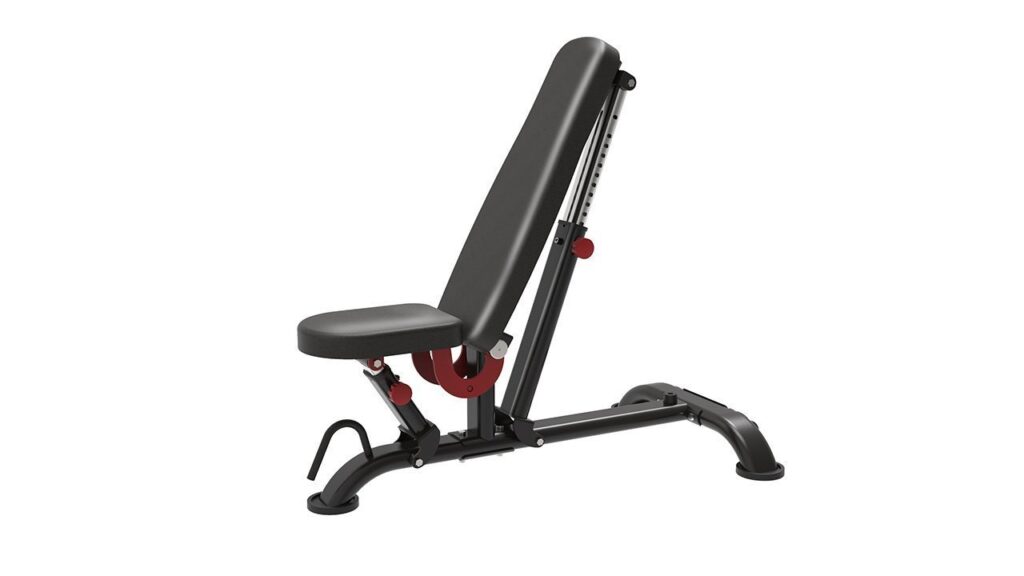
For a Plus Fitness bench or other shortlisted item, ask for the written terms with the quotation. Clear documentation helps both buyer and supplier understand the commitment before there is a problem to resolve.
Pingback: Compare Gym Equipment Quotes in Nigeria | Plus Fitness