
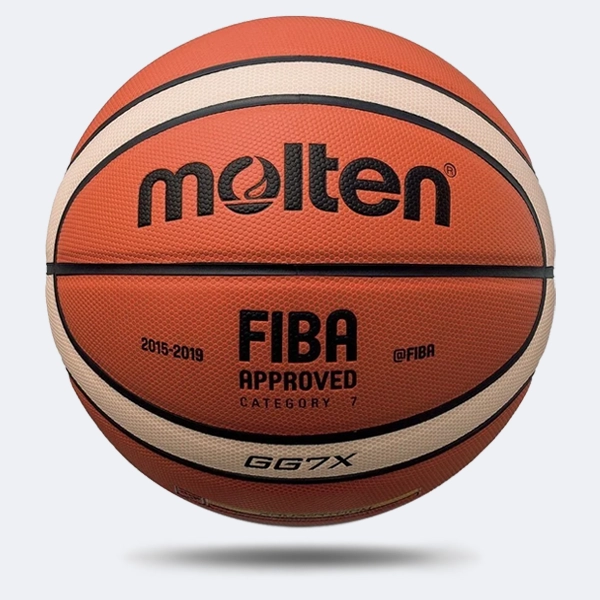
Choose a basketball for the surface, the required size and the organiser's playing rules. An indoor ball is not automatically the best purchase for an outdoor court, and an “indoor/outdoor” label should be checked against the exact product. Price and branding come after those basics.
For many Nigerian players, the ordinary training surface is the decisive detail. Buying for a polished indoor court you rarely use makes little sense if most sessions happen on a rough outdoor surface.
Name the court before choosing the cover
Describe where the ball will spend most of its time. Check the manufacturer's surface designation and care instructions. Different covers are intended to balance handling and durability in different settings.
Wilson's basketball-selection guide distinguishes surface and material choices. Use that framework to ask about the actual ball rather than assuming a logo or a soft feel proves it is suitable outdoors.
If the ball will move between venues, explain that pattern to the retailer. A product designated for both settings may be useful, but the exact manufacturer's guidance remains the reference.
Confirm the size with the organiser
Basketballs are offered in different sizes for different playing contexts. Ask the coach, school or competition organiser what is required for the group. Do not choose solely by the buyer's age or assume one size applies to every junior event.
For a family using the ball casually, consider who will actually handle it. For organised play, the relevant rules and coach's requirements should guide the order. A ball that is pleasant for one adult may be unsuitable for a younger group learning basic skills.
Check inflation on the actual ball
Use the manufacturer's pressure marking and the appropriate gauge and inflation method. A squeeze test or a familiar number from another ball is not a reliable replacement for the stated instructions.
Check the valve and use the correct needle and any preparation the manufacturer specifies. Avoid forcing the needle at an angle or overinflating the ball to make it feel harder. Store and care for it as directed.
| Buying detail | What to record |
|---|---|
| Main surface | Indoor, outdoor or the specified combination |
| Required size | Confirmed by the organiser where relevant |
| Product identity | Exact model and supplied version |
| Inflation | Marked pressure and suitable equipment |
| Quantity | Balls needed for the actual group activity |
Build a usable school or club order
Include appropriate inflation equipment and a practical storage arrangement. Marking or inventory methods should not damage the ball or obscure essential information. Assign responsibility for checking condition and pressure before sessions.
The existing school-sports procurement guide helps plan quantities around the activities rather than a generic shopping list. If the order covers more sports, the badminton guide provides another example of buying a complete usable setup.
Inspect what is supplied
Check the size, model and condition against the order before using the ball. A brand mark in a photograph does not independently establish authenticity, approval status or the specification of the item delivered. Request clear identification and a purchase record.
Plus Fitness lists basketballs. Ask the team to confirm the exact available size, surface designation and inflation guidance. A suitable ball should match the court and the people playing on it, with the details clear before the first session.
Leave a Reply