
The right jump-rope length depends on the user, the rope design and the intended style of skipping. Start with the manufacturer's sizing method, then assess the fit in an appropriate space. Do not cut an adjustable rope immediately based on a rule intended for a different model.
A rope is a small purchase, but a poor fit can make the first sessions frustrating enough that it never comes out of the bag again.
Measure the part the manufacturer means
Some sizing methods refer to the rope between the handles; others use an overall measurement or a user-height range. Read the definition before comparing two listings.
Crossrope's sizing guide provides product-specific recommendations and explains how its sizing works. It is a useful model for the information to request from any supplier, but its exact lengths should not be transferred automatically to another design.
For an adjustable rope, check how the mechanism secures the length and whether the change is reversible. Follow the instructions and test carefully before making any permanent trim. Leave repair or modification beyond the authorised adjustment to the supplier.
Match the rope to the surface
Ask which surfaces the rope is designed to contact. Rough concrete can create different wear from a suitable indoor floor. A coating that looks robust in a photograph does not establish the manufacturer's permitted use or expected life outdoors.
Inspect the rope and handles regularly, particularly at the contact areas and connection points. Stop using it if damage affects safe operation. Do not continue simply because the internal wire or cord is still in one piece.
Where a protective mat is used, it needs to be appropriate for skipping and stable on the underlying floor. Our mat-selection article explains why cushioning and grip need to be assessed together.
Check the space around you
Allow for the rope's complete path and the movement of the user. Look for ceiling fans, lights, furniture, other people and pets. A room that accommodates standing exercise may not accommodate a swinging rope.
For an upstairs home, consider the effect on neighbours before choosing the training position. The noise-and-vibration guide explains why a mat cannot guarantee that impact will be inaudible elsewhere in the building.
If the available space is unsuitable, another compact option may be more practical. The mini-stepper guide provides one comparison, with its own fit and operating requirements.
Make a group order usable
For schools or classes, collect the users' sizing needs and choose a system that can be managed consistently. Label adjustable ropes where useful, and plan where they will be stored without tangling or damaging the handles.
The existing school-equipment checklist helps turn individual choices into a complete order. Include any needed spares and explain who will inspect the equipment before sessions.
Try a simple purchase test
Before paying, establish five things: the sizing method, adjustment procedure, permitted surfaces, inspection guidance and what is included. Then ask whether replacement parts are relevant and available for the design.
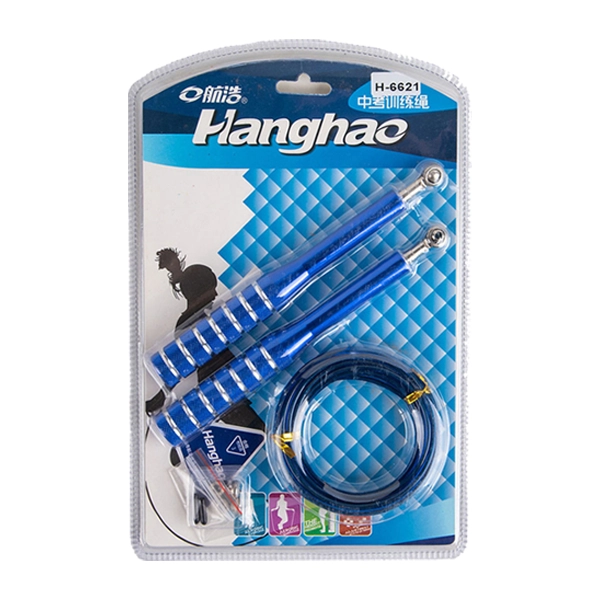
Plus Fitness lists a Hanghao jump rope. Confirm the exact model and its instructions rather than choosing solely from a speed claim on the packaging. A rope that fits, survives its intended surface and is easy to store gives you a better start than an impressive specification you cannot use comfortably.
Leave a Reply