
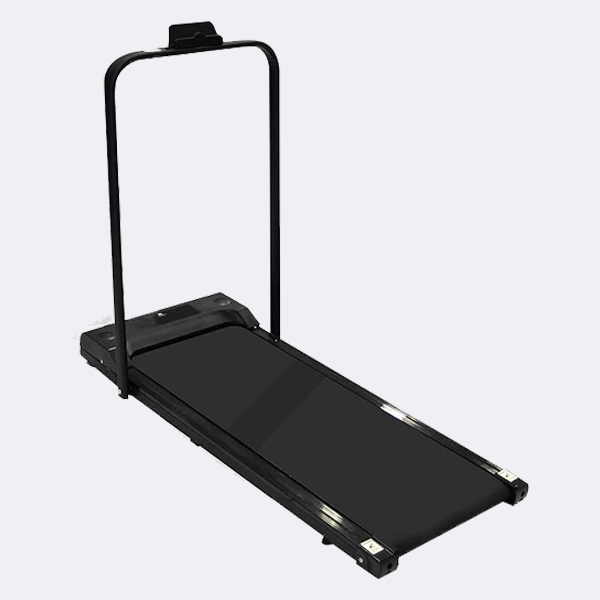
A walking pad can suit a home where the main aim is walking and compact storage. A treadmill intended for running is the better starting point when running speed, stride space and a full running setup are essential. The phrase “walking pad” describes a product category loosely; the exact model's permitted use decides what it can do.
For a small home, the most useful question is not which machine looks smaller in a photograph. It is whether you will comfortably use it for the activity you actually intend to repeat.
Be honest about walking and running
A desk worker wanting movement during part of the working day has a different brief from someone preparing for regular runs. Buying a compact walking-only machine with the intention of jogging on it later creates a mismatch from the beginning.
The WalkingPad model comparison shows that specifications vary between models. Treat that as a reason to inspect the chosen product, not permission to transfer one brand's capabilities to another. Check permitted activity, speed range, usable belt dimensions, controls and user limit together.
There are compact hybrid products, but a folding handrail or an impressive motor description alone does not establish a model's running suitability.
Count the room twice
Measure the operating position and the storage position separately. Operating space includes the machine, the manufacturer's clearances and access to get on and off. Storage space includes the approved orientation and the route used to move the equipment.
For use with a desk, check knee clearance, desktop height, stability and access to the controls. A treadmill placed under an ordinary desk does not automatically create a suitable workstation. Try the arrangement at an easy walking pace before assuming that typing, reading and walking will combine comfortably for you.
See the storage and access checklist before relying on a promise that a machine fits under the bed. Low furniture, door thresholds and the position of transport wheels can make the daily routine less convenient than the folded dimensions suggest.
Compare the routines each machine creates
| Your priority | What to examine |
|---|---|
| Walking while working | Approved walking use, accessible controls and a suitable desk arrangement |
| Regular running | Running rating, belt fit, control access and required clearances |
| Daily packing away | Actual lifting or rolling procedure and approved storage position |
| Shared household use | Fit and limits for every user, plus ease of resetting controls |
An installed running treadmill often asks for a permanent place in the home. A walking pad may ask for a few minutes of preparation and packing away each time. Neither routine is inherently better. Choose the one you are likely to maintain when work is busy and the room is needed for something else.
Look beyond the console
App connectivity can be useful, but establish what works without a phone, internet connection or subscription. Confirm how speed is controlled and what happens if a remote is lost. Ask whether replacement controls and other relevant parts can be obtained for that model.
Treat displayed calorie numbers as estimates rather than a guaranteed reward for a session. The guide to gym-machine readings explains why apparently precise numbers still require context.
Choose from a written brief
Write one sentence describing your main activity, list the regular users and record the available working and storage space. The gym setup brief provides a fuller structure if your room needs more planning.
Plus Fitness lists a Walking Pad Treadmill. Ask for the exact supplied model's walking or running approval, dimensions, operating limits and storage instructions before ordering. Choose the machine that matches your intended routine today, with any future running requirement stated explicitly.
Pingback: Treadmill Belt Size for Tall Runners