
Dumbbell weight increments matter because the same kilogram increase can be a very different step at different starting weights. Moving from 5 kg to 7.5 kg per hand is a 50% increase. Moving from 20 kg to 22.5 kg is a 12.5% increase. Both add 2.5 kg, but they do not create the same purchasing problem.
When building a useful set, plan the steps between weights as carefully as the maximum weight.
Make the arithmetic visible
Calculate the percentage increase by dividing the added weight by the starting weight, then multiplying by 100. This describes the size of the jump; it is not a prescription for when someone should increase their training load.
| Starting weight per hand | Next weight per hand | Increase |
|---|---|---|
| 5 kg | 7.5 kg | 50% |
| 10 kg | 12.5 kg | 25% |
| 20 kg | 22.5 kg | 12.5% |
These examples explain why an evenly spaced catalogue range may feel uneven in use. A smaller step can be particularly useful when the existing load is relatively light, subject to the exercise and programme.
Inventory the movements and users
List which weights are used for the current training plan. A coach can help identify appropriate ranges and progression options. Avoid assigning one weight to a person for every exercise; different movements often require different loads.
For a shared gym, observe which pairs are repeatedly in use. A second pair of a frequently needed weight may improve the session more than extending the set at the heaviest end. That is a demand decision, not a claim that lighter equipment is universally more useful.
The first-kettlebell guide makes a similar point about selecting resistance for a movement rather than a demographic label.
Count pairs and total weight correctly
A listing may advertise the weight of one dumbbell, a pair or the whole boxed set. Write the order in an unambiguous form such as “two dumbbells of 10 kg each”. For a plate-loaded adjustable set, ask whether handles, collars and plates are included in the advertised total.
The existing adjustable versus fixed dumbbell guide explains the main formats. Check the actual available settings of an adjustable model; the advertised maximum does not describe every increment below it.
Manufacturer documentation such as the BowFlex 1090 manual is an example of why a selector mechanism's settings and checks must be understood for the specific product. Do not add unapproved plates or attachments to create a missing increment.
Build a set that fits its storage
Before ordering, count the number of individual dumbbells and measure the intended rack. Heavier or bulkier heads may occupy more shelf space than the product name suggests. A full load rating does not prove that every pair will fit comfortably.
Use the rack-planning guide to allow room for handling and returning each dumbbell. Labels can help keep a shared rack organised, but the layout must first work physically.
Buy the next useful step
If a budget is limited, separate the weights required for the current programme from later additions. Do not buy a large set simply because its total kilograms look economical when several pairs will remain unused.
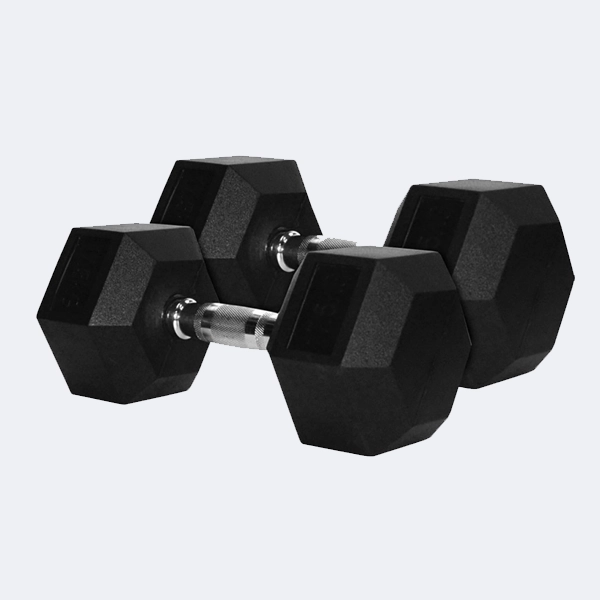
For Plus Fitness hexagon dumbbells, request the available individual weights and pair pricing, then compare them against your list. A well-chosen range gives users useful options between their present load and their next appropriate step.
Pingback: Resistance Band Weight Ratings and Colours Explained