No products in the cart.

A Business Owner’s Guide to Buying Commercial Gym Equipment in Nigeria
Opening a gym, upgrading your hotel’s fitness center, or installing a state-of-the-art gym in a residential estate is more than just buying a few treadmills. It’s a significant business investment that directly impacts your brand’s reputation, customer satisfaction, and, ultimately, your bottom line.
The fitness landscape in Nigeria is evolving rapidly. More people are abandoning the basic home workout in favor of professional facilities that offer a comprehensive fitness plan and premium equipment. Establishing a successful commercial gym means catering to this rising demand with excellence.
Using home-use equipment in a commercial setting is a recipe for disaster—frequent breakdowns, voided warranties, and potential safety hazards. When your members walk through the doors of your commercial gym, they expect machines that can handle back-to-back sessions, from intense morning cardio to heavy evening lifting. You need equipment that is built to withstand heavy, daily use and a partner who understands the demands of the Nigerian market.
This guide will walk you through the essentials of selecting, budgeting for, and investing in commercial-grade fitness equipment that delivers a real return on your investment.
The Commercial Gym Buyer’s Checklist
- Don’t Use Home Equipment: Commercial gear is built with stronger materials and designed for 8+ hours of daily use. Home equipment is not. If a member’s workout routine is interrupted by a broken machine, they will take their business elsewhere.
- Durability Over Everything: Your primary concern should be build quality, user weight capacity, and the duty cycle of motorized equipment. A true commercial gym must cater to individuals of all sizes and fitness levels, day in and day out.
- Plan Your Space in Zones: A well-organized gym has dedicated zones for cardio, machine strength, free weights, and functional fitness. This prevents bottlenecks during peak hours and helps members seamlessly execute their beginner workout plan or advanced split without waiting in long lines.
- Warranty & Service are Non-Negotiable: Look for a comprehensive commercial warranty and a partner who offers reliable maintenance and after-sales support. This is crucial to minimize downtime.
- Think Long-Term Partnership: You’re not just buying products; you’re building a facility. Work with an expert who can guide you from layout design to installation and beyond. Running a commercial gym requires ongoing support, especially in the Nigerian climate where power and dust are constant factors.
The Critical Difference: Commercial vs. Home-Use Equipment
It can be tempting to save money by buying cheaper, home-use models. This is a costly mistake. Here’s why commercial equipment is in a different league entirely:
Build Quality & Durability:
- Commercial: Constructed from heavy-gauge steel (thicker frames), with superior welding and more durable upholstery and components. They have higher user weight capacities, making them safer for a diverse clientele. When outfitting a commercial gym, you are investing in structural integrity that prevents liability and protects your brand.
- Home-Use: Lighter materials designed for a single-family’s use. They simply cannot withstand the stress of constant, heavy use. For an idea of quality home-use gear, our [Guide to Strength Training Equipment] provides a good baseline.
Duty Cycle & Motor Grade:
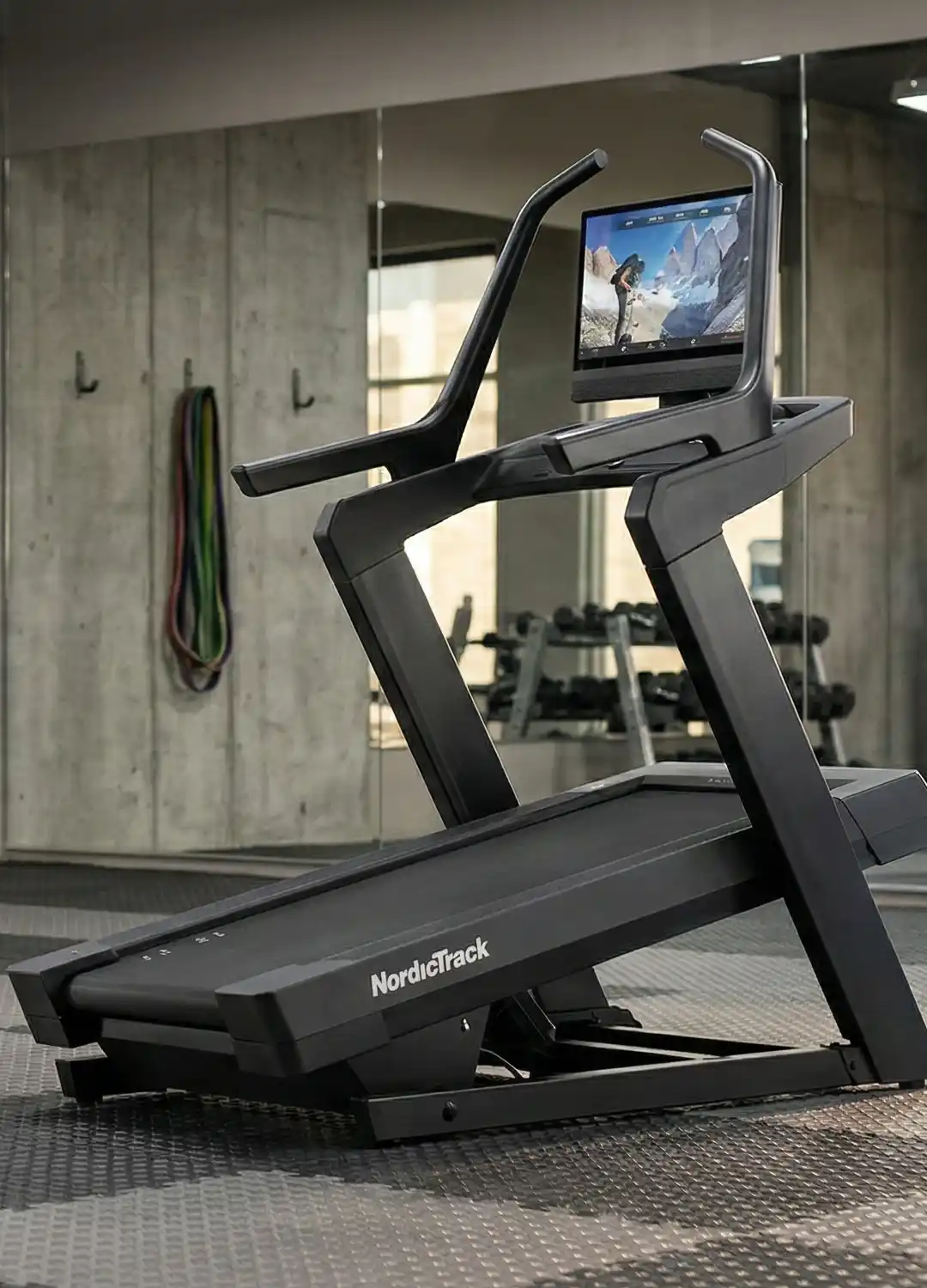
- Commercial: A commercial treadmill, for example, has a powerful AC motor designed to run for 8-16 hours a day without overheating [1]. This allows multiple users to chase their fat loss goals back-to-back without the motor burning out.
- Home-Use: Typically uses a DC motor designed for 1-2 hours of use per day. Using it in a gym setting will lead to rapid burnout. Our Nigerian’s Guide to Buying a Treadmill explains motor types for home settings.
Warranty:
- Commercial: Comes with a specific commercial warranty that covers parts and labour in a high-use environment.
- Home-Use: The warranty is immediately voided if the equipment is placed in a commercial setting. You will have no protection against defects or breakdowns.
The Essential Commercial Gym Checklist (By Zone)
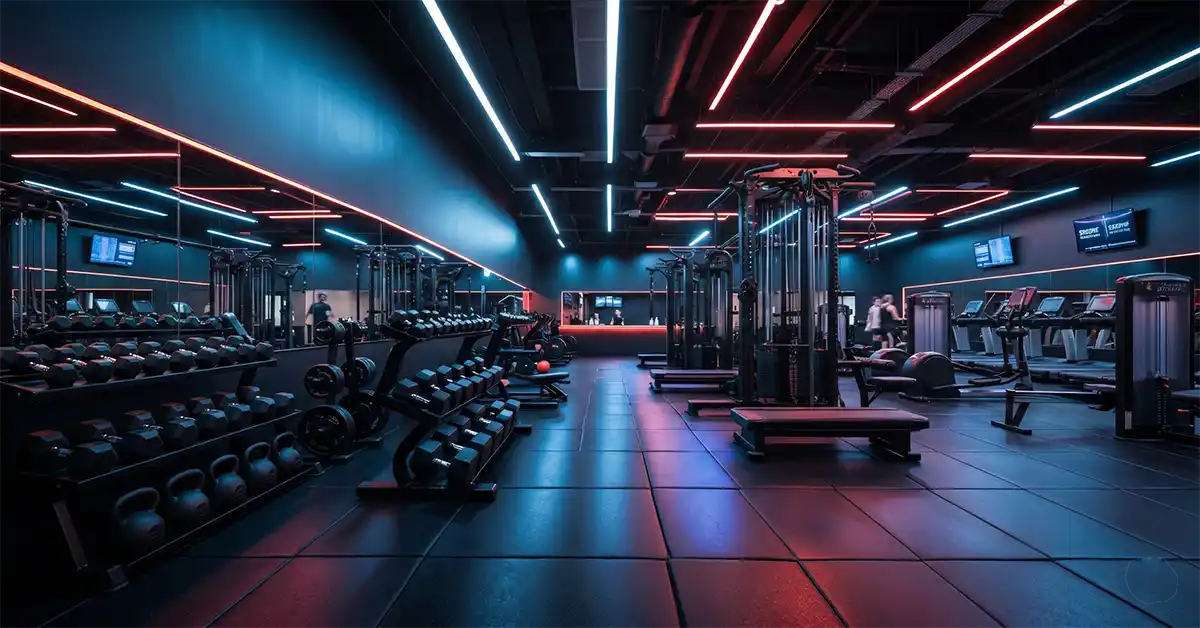
A great gym flows logically, guiding users through their workout. Plan your space with these key zones in mind. Whether they are following a customized fitness plan or just dropping in for a quick sweat, the layout of your commercial gym dictates their entire experience.
Zone 1: The Cardio Floor
This is often the first area your clients see. It needs to be impressive, with a variety of machines to prevent boredom and queues. Cardio is the foundation of almost any fat loss journey, so expect this zone to see the most consistent foot traffic in your commercial gym.
- Must-Haves: Commercial Treadmills (4-10 units), Elliptical Trainers (2-5 units), Stationary Bikes (Upright and Recumbent, 2-4 units).
- Good to Add: Stair Climbers, Rowing Machines.
- Key Consideration: Choose machines with intuitive consoles and robust durability. For a basic understanding of machine types, our Treadmill vs. Elliptical guide is a helpful starting point for your clients.
Zone 2: Machine Strength Circuit
Selectorized (pin-loaded) machines are essential for beginners and those looking for a safe, guided workout. These machines are the backbone of any beginner workout plan, as they safely guide the user’s range of motion during strength training, preventing injuries.
- Must-Haves: Leg Press, Leg Extension/Curl, Lat Pulldown, Seated Row, Chest Press, Shoulder Press, Cable Crossover Machine (very versatile).
- Key Consideration: Ensure machines have clear instructional placards and easy-to-use adjustment mechanisms.
Zone 3: The Free Weight Area
This is the heart of the gym for many serious lifters and is crucial for your credibility. Advanced members will spend hours here perfecting their strength training and completing their daily workout routine.
- Must-Haves: Full Dumbbell Rack (e.g., 5kg – 50kg), Olympic Barbells and Bumper Plates, Multiple Adjustable Benches, at least one Power Rack or Squat Rack.
- Key Consideration: Flooring is critical here. You need high-impact rubber flooring to protect your equipment and foundation.
Zone 4: Functional & Group Training Space
This modern, flexible space caters to HIIT, CrossFit-style workouts, and group classes. Many members who transition from a simple home workout to a commercial gym membership do so specifically for the high energy and community of this functional space.
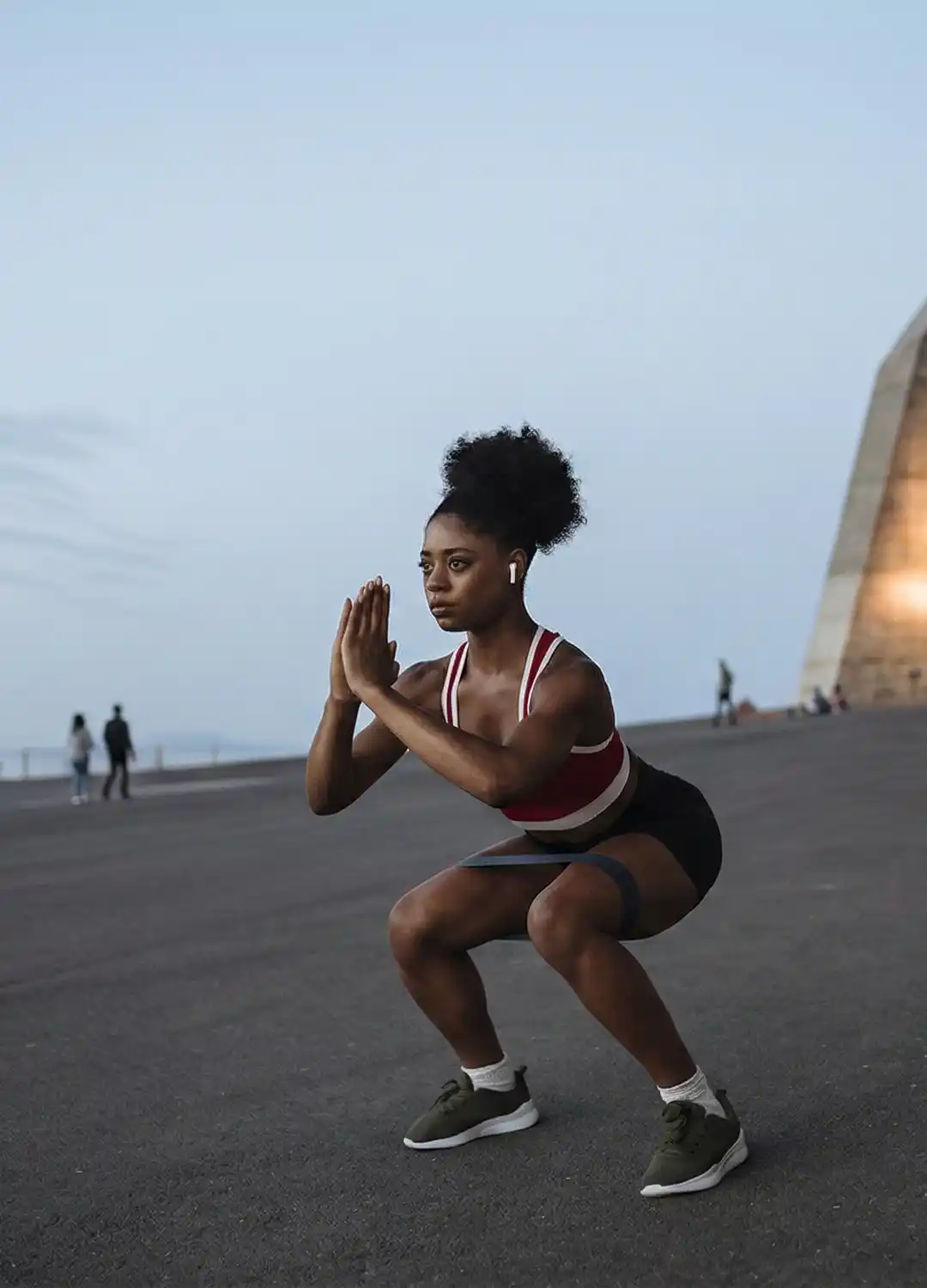
- Must-Haves: Kettlebells (various weights), Battle Ropes, Plyometric Boxes, Medicine Balls, open floor space covered with turf or rubber mats.
- Key Consideration: This area adds huge value and attracts a younger demographic. It’s a great place to start if you’re on a tighter budget but want to offer something unique, building on the principles of our Budget Fitness Guide.
Budgeting Your Gym: A Realistic Look at Costs in Nigeria
“The cost of setting up a gym in Nigeria can vary dramatically. However, the equipment will be your single largest capital expense [2].” Whether you are outfitting a massive commercial gym in Victoria Island or a boutique studio in Abuja, your business plan must account for these heavy upfront costs.
| Gym Size | Estimated Equipment Budget (₦) | Description |
| Small Studio / Hotel Gym | ₦15,000,000 – ₦30,000,000 | A few cardio pieces, a multi-station gym, and a basic dumbbell rack. |
| Medium Commercial Gym | ₦35,000,000 – ₦70,000,000 | A good mix of cardio, a full strength circuit, and a decent free weight area. |
| Large-Scale Health Club | ₦80,000,000+ | Multiple units of everything, large functional space, specialized equipment. |
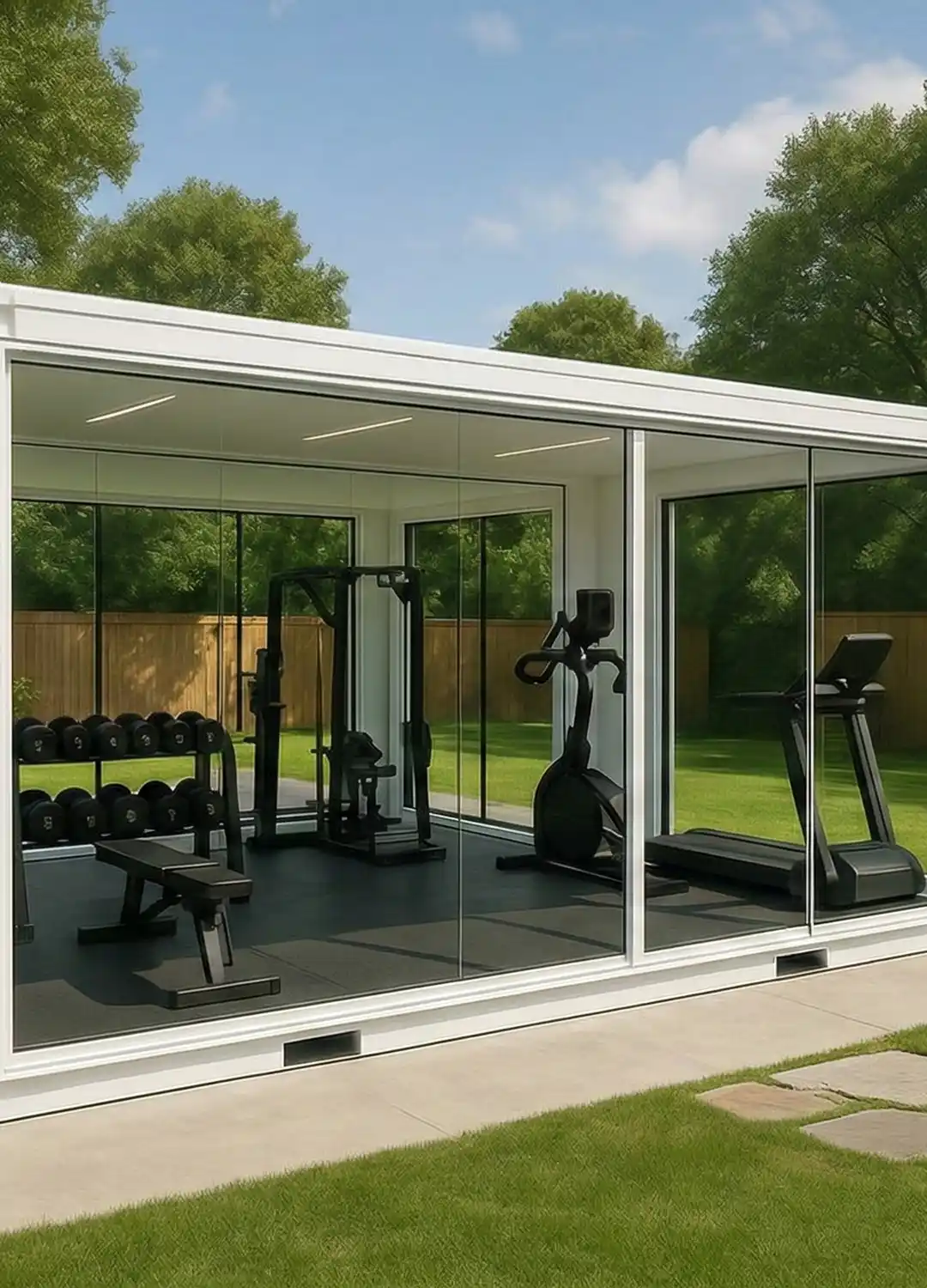
Disclaimer: These are wide estimates for quality, new equipment as of October 2025. They do not include rent, construction, salaries, or other operational costs.
Think of this as an investment in member retention. High-quality, well-maintained equipment is a primary reason members stay loyal to a gym. If your commercial gym offers a premium experience, you can easily justify premium membership rates.
Beyond the Equipment: Your Partner for Success
When you’re making an investment of this scale, you need more than a supplier; you need a partner. Here’s what a true partner like Plus Fitness offers:
- Consultation & Layout Planning: We help you select the right equipment mix for your target audience and design a 2D/3D layout to optimize your space.
- Financing Options: We can work with you to find financing solutions that make your investment more manageable.
- Professional Installation: Our expert team ensures your equipment is assembled and installed safely and correctly.
- After-Sales Service & Maintenance: This is critical in Nigeria. We provide preventative maintenance plans and reliable service to keep your equipment running and your business open. A commercial gym cannot afford out-of-order signs. Regular servicing prevents the dusty Harmattan winds and power fluctuations from ruining your investment.
Frequently Asked Questions (FAQs)
1. How much space do I need to open a small gym? You can start a small but effective studio gym in a space of about 150-200 square meters. A mid-size gym typically requires 400-600 square meters. Even in a smaller space, proper zoning will allow members to execute a complete fitness plan without feeling overcrowded.
2. Is it better to buy new or used commercial equipment? While used equipment can be cheaper upfront, it often comes with no warranty, a shorter lifespan, and unknown maintenance history. New equipment is a safer long-term investment with full warranty and support.
3. What is the most important equipment for a new gym? A good power rack, a set of quality dumbbells and benches, and a few durable treadmills are the foundational pillars of almost any successful gym. These cover the basics for both serious strength training and general fat loss routines.
4. How do I handle power requirements for so many machines? You will need to consult with a qualified electrician. Your facility will require dedicated power lines and a robust generator/inverter system with industrial-grade stabilizers to protect your investment.
5. How can I stand out from other facilities? Offering a clean environment, well-maintained machines, and employing trainers who can help new members design a beginner workout plan will instantly set your commercial gym apart from the competition.
The Bottom Line
Building a successful fitness facility in Nigeria requires a solid business plan and an even more solid foundation of equipment. Prioritize durability, user safety, and a strong warranty. Don’t cut corners on your most important asset. By investing in genuine commercial-grade equipment and working with an experienced partner, you are laying the groundwork for a profitable and reputable business that will stand the test of time. A thriving commercial gym becomes a hub for health, community, and transformation.
Take the Next Step in Your Business Venture
Ready to discuss your project? Get a customized quote for your facility. Request a Commercial Gym Quote
Have questions about setting up your gym? Our experts are here to help. [Book a Free Commercial Project Consultation] (https://plusfitness.ng/contact-us/)
Citations
[1] Life Fit India. (2024). AC vs DC Treadmill Motors: Which is Right for Your Workout? (Detailed breakdown of commercial AC motors designed for continuous heavy gym use vs. DC motors for home use). Retrieved from: https://lifefitindia.com/ac-vs-dc-treadmill/
[2] Exercise.com / TZFIT. (2025). The (REAL) Cost of Opening a Gym in 2025/2026. (Market analysis confirming that commercial equipment and heavy machinery procurement constitutes the highest initial capital expenditure—often ₦30M to ₦80M+ equivalent—for new fitness facilities). Retrieved from: https://www.exercise.com/grow/the-cost-of-opening-a-gym/ and https://tzfit.com/how-much-does-it-cost-to-open-a-gym-2025/