No products in the cart.

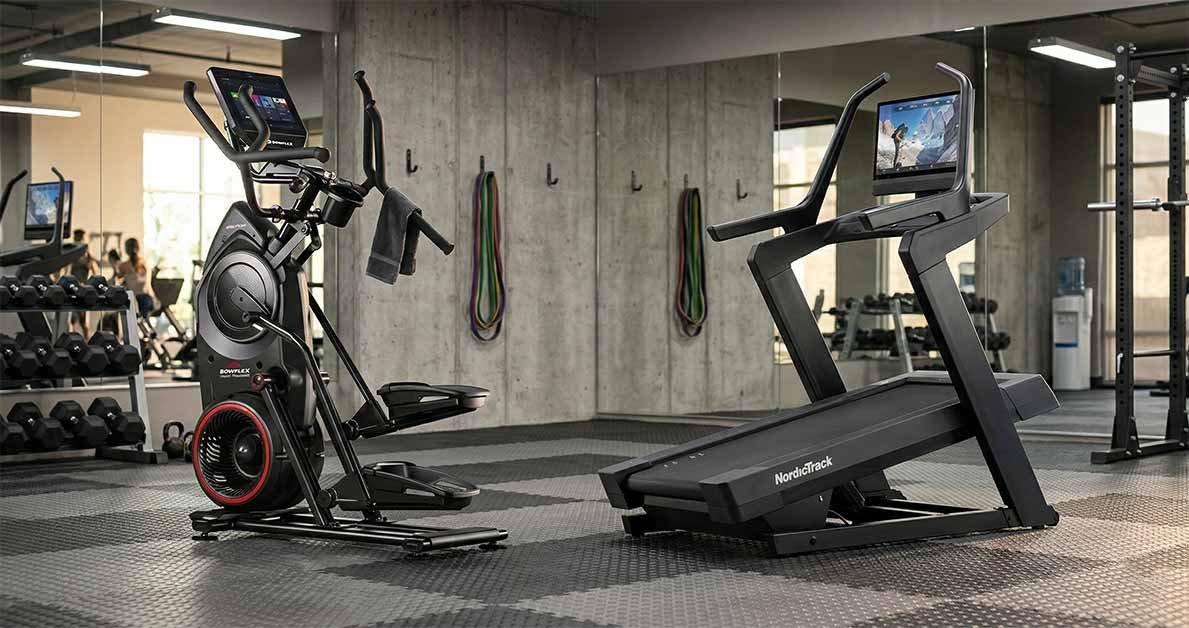
Treadmill vs Elliptical: Best Cardio for Your Nigerian Home
You’re ready to invest in a serious cardio machine for your home. Fantastic choice! No more excuses about traffic, rain, or gym crowds. But now you’re faced with the big question: should you go for a classic treadmill vs elliptical trainer?
Both are excellent for cardiovascular fitness, but they offer very different workout experiences, come with different considerations (especially here in Nigeria), and cater to different needs. Making the wrong choice can lead to a costly mistake and a machine that gathers dust.
Don’t fret. This guide will break down the pros and cons of each, helping you decide which cardio king deserves a spot in your Nigerian home.
Treadmill vs Elliptical – The Quick Scoop
- Treadmill: Best for simulating outdoor running/walking. High-impact (can be tough on joints), but burns more calories for the same perceived effort. Needs more space.
- Elliptical: Low-impact, easier on joints. Works upper and lower body simultaneously. Generally quieter. Can feel less intense for some.
- Power: Treadmills are motorized, so factor in generator/inverter compatibility and a surge protector.
- Space: Treadmills tend to be longer; ellipticals are wider. Foldable options exist for both, but measure your designated [Home Gym space in your Nigerian apartment] first.
- Goal: Choose treadmill for running training; elliptical for joint-friendly, full-body cardio.
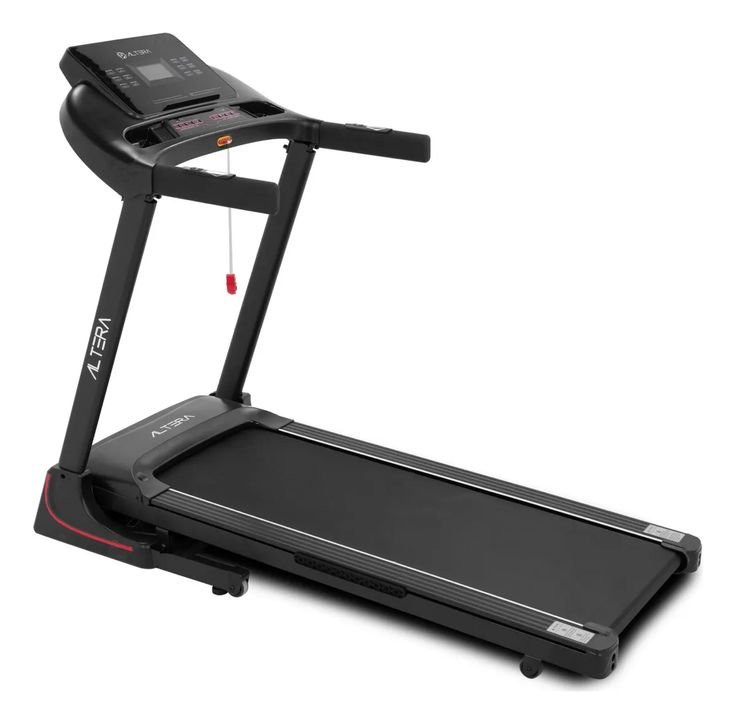
Understanding the Treadmill: The Classic Workhorse
The treadmill simulates walking, jogging, or running on a flat or inclined surface. It’s straightforward and familiar to most.
Pros of a Treadmill
- Natural Movement: It closely mimics natural running or walking, making it easy to adapt to.
- Higher Calorie Burn (Often): For the same amount of time, running on a treadmill at a high intensity often burns more calories than an elliptical because you are actively pushing off the belt and your body is doing more work against gravity [1].
- Specific Training: Essential if you’re training for a race (like a marathon in Lagos) or prefer the mechanics of running.
- Variety: You can adjust speed and incline dramatically, allowing for diverse workouts from gentle walks to steep hill sprints.
Cons of a Treadmill
- High Impact: Running, especially, can be hard on your joints (knees, hips, ankles), even with good cushioning. This is a major concern for those with pre-existing joint issues.
- Noise: Treadmills can be noisy, particularly when running at high speeds. This might be a concern in apartment buildings.
- Space Hog: Even foldable treadmills, when in use, take up a significant amount of floor space. Check out our detailed Nigerian’s Guide to Buying a Treadmill for specific dimensions.
- Power Draw: Treadmills, with their powerful motors, can have high power consumption, which is a major NEPA consideration for your home gym equipment.
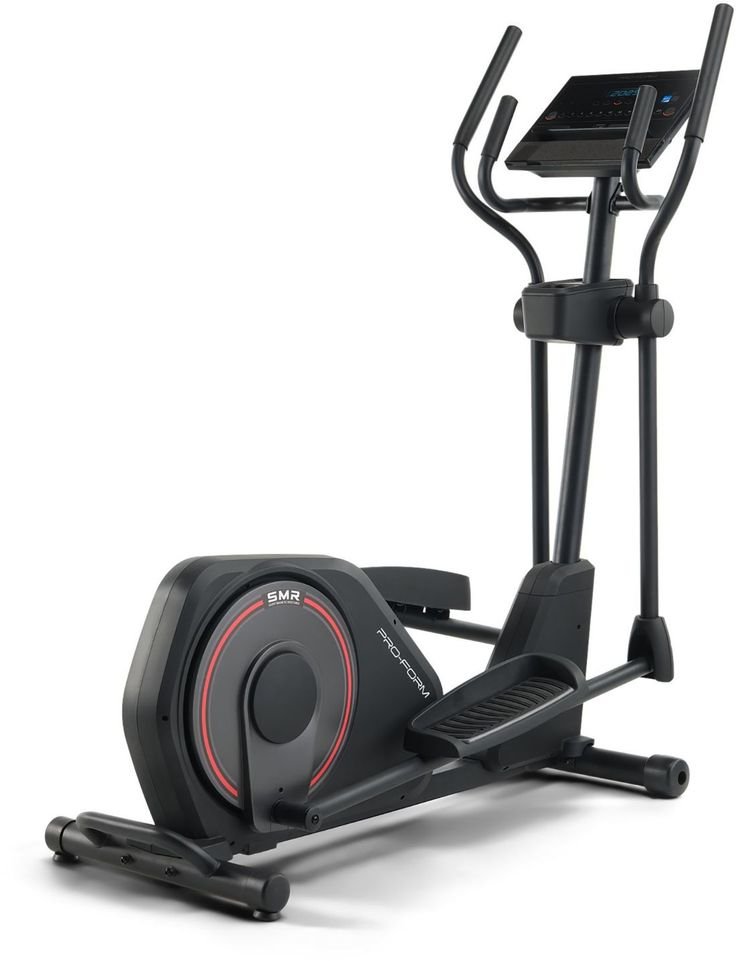
Understanding the Elliptical Trainer: The Joint-Friendly Alternative
The elliptical offers a low-impact, full-body workout. Your feet remain on the pedals throughout the entire motion, creating a smooth, gliding action.
Pros of an Elliptical
- Low Impact: The biggest advantage. Because your feet never leave the pedals, there’s no jarring impact on your joints. Excellent for those with bad knees, ankles, or hips.
- Full-Body Workout: Most ellipticals come with moving handlebars, engaging your upper body (arms, shoulders, back) along with your lower body (legs, glutes, core).
- Quiet Operation: Generally much quieter than treadmills, making them ideal for apartment dwellers or early morning workouts when others are sleeping.
- Less Perceived Exertion: You can get a great workout without feeling as tired as you would on a treadmill, allowing you to exercise for longer.
Cons of an Elliptical
- Less Natural Movement: The motion is more prescribed, which some users find unnatural or less engaging than running.
- Lower Calorie Burn (Potentially): While it’s a full-body workout, some studies suggest that for the same perceived effort, ellipticals might burn slightly fewer calories than treadmills, as the machine assists with the motion [1].
- Can Be Bulky: While often narrower than treadmills, ellipticals can be quite long and wide, and foldable options are less common or less compact.
- Specific Muscle Focus: While full-body, it doesn’t offer the same specific leg muscle development that running provides.
The Nigerian Angle: Power, Price & Space
Beyond the workout itself, how do these machines fare in our local context?
- Power Consumption:
- Treadmills: Typically draw 600-1500 watts. You’ll need a stable power supply and a good surge protector.
- Ellipticals: Most Ellipticals are battery powered but even if it uses power it generally have lower power draw, often in the 400-800 watt range, as the motion is assisted [2]. This can be a slight advantage if your generator or inverter capacity is limited.
- Price:
- Both machines have similar price ranges for quality home models. You can find decent ellipticals from ₦400,000 upwards, comparable to mid-range treadmills.
- Space:
- While ellipticals might feel smaller due to their lack of a moving belt, their overall footprint (especially length and width with moving arms) can be quite substantial. Always measure the specific model you’re interested in.
- For Building a Home Gym in a Small Nigerian Apartment, a foldable treadmill is generally easier to store than most ellipticals.
Treadmill vs. Elliptical: Quick Comparison Table
| Feature | Treadmill | Elliptical |
| Impact on Joints | High (can be cushioned) | Very Low |
| Muscle Groups | Primarily lower body | Full body (lower + upper with moving arms) |
| Calorie Burn | Generally higher for high intensity | Excellent, but can be lower than intense running |
| Noise Level | Moderate to High | Low to Moderate |
| Footprint | Long, sometimes wide | Long, often wider with arms |
| Natural Movement | Yes (running/walking) | Less natural (gliding motion) |
| Power Draw | 600-1500W (higher) | 400-800W (lower) |
| Price Range (₦) | ₦400,000 – ₦1,500,000+ | ₦350,000 – ₦1,000,000+ |
Frequently Asked Questions (FAQs)
1. Which machine is better for weight loss? Both are effective for weight loss. The “best” one is the machine you will use consistently. Treadmills can burn slightly more calories for high-intensity work, but if joint pain stops you from using it, an elliptical will be more effective.
2. I have bad knees. Which should I choose? An elliptical, hands down. The low-impact motion protects your joints while still giving you an excellent cardio workout.
3. Which one is quieter for apartment use? Ellipticals are generally much quieter than treadmills, especially when running. This makes them a better choice if noise is a major concern.
4. Can I get a full-body workout on a treadmill? Not really. Treadmills primarily work your lower body. An elliptical, with its moving handlebars, actively engages your upper body as well.
5. How much space do I need for each? A typical home treadmill is about 6-7 feet long and 3 feet wide. An elliptical can be 5-7 feet long and 2-3 feet wide, but also needs clearance on the sides for the arm handles. Always check the specific product dimensions.
Ready to Make Your Move?
- Still leaning towards a treadmill? Our Nigerian’s Guide to Buying a Treadmill offers in-depth advice on models and features.
- Considering a low-impact option? Look out for our upcoming “Buyer’s Guide to Elliptical Machines.”
- Just starting your fitness journey? Check out The Busy Nigerian’s Guide to Realistic Weight Loss for diet and workout tips.
Shop the Best Cardio Machines for Your Home
Whether you choose the classic challenge of a treadmill or the smooth, full-body workout of an elliptical, Plus Fitness has the genuine equipment you need.
- For Running Enthusiasts: Explore our range of [High-Quality Treadmills] (https://plusfitness.ng/product-category/cardio-equipment/treadmills/).
- For Joint-Friendly, Full-Body Cardio: Browse our selection of Elliptical Trainers.
The Bottom Line
The choice between a treadmill and an elliptical boils down to your personal preferences, physical needs, and the specifics of your Nigerian home. If you love to run and have no joint issues, a treadmill might be your best bet. If you need a low-impact, full-body workout that’s quieter and easier on the joints, the elliptical is a clear winner. Whichever you choose, ensure it’s a quality machine from a trusted vendor.
Take the Next Step
[Compare All Cardio Equipment on Plus Fitness Now] (https://plusfitness.ng/product-category/cardio-equipment/)
Unsure which machine fits your needs and space? [Book a Free Consultation with a Fitness Expert]
Citations
[1] Zeni, A. I., et al. (1996). Energy expenditure with treadmill walking and elliptical stepping. Medicine & Science in Sports & Exercise, 28(5), S116. (Note: This is an older study, but the fundamental biomechanical differences in energy expenditure remain relevant).
[2] Treadmill vs Elliptical: Which One Should You Buy?. Fitness World. (2022, November 29). Retrieved October 11, 2025, from https://fitnessworld.ca/blogs/news/treadmill-vs-elliptical (Note: This is a general informational blog, but the power consumption estimates align with industry standards).